
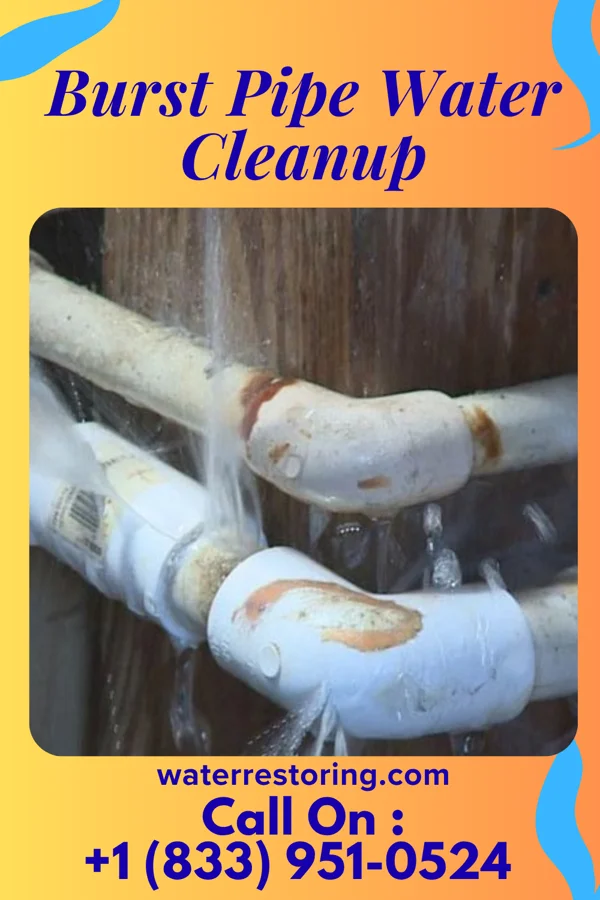
Burst Pipes & Insurance in West Brownsville
West Brownsville, located in Washington County, experiences a mix of rural and small-town infrastructure, which can lead to older plumbing systems that are more prone to bursting. The area's proximity to Brownsville and other nearby towns means that shared water lines and aging municipal systems increase the risk of pipe bursts during colder months. is the trigger behind most burst pipe water cleanup claims in West Brownsville. A close second is The rural nature of West Brownsville often results in less frequent maintenance of private water lines, increasing the likelihood of undetected leaks and eventual bursts. Additionally, the area's relatively low population density can delay detection of pipe issues, leading to more severe water damage.. Most homeowner insurance policies cover sudden, accidental water damage. What separates a clean claim from a stuck one is fast professional response with documentation an adjuster can actually use.
West Brownsville's climate, characterized by cold winters and moderate summers, plays a significant role in pipe integrity. The area's seasonal temperature fluctuations can stress plumbing systems, making burst pipes a common issue during the colder months.
Most burst pipe water cleanup calls in West Brownsville come from West Brownsville, located in Washington County, experiences a mix of rural and small-town infrastructure, which can lead to older plumbing systems that are more prone to bursting. The area's proximity to Brownsville and other nearby towns means that shared water lines and aging municipal systems increase the risk of pipe bursts during colder months.. Running a close second is The rural nature of West Brownsville often results in less frequent maintenance of private water lines, increasing the likelihood of undetected leaks and eventual bursts. Additionally, the area's relatively low population density can delay detection of pipe issues, leading to more severe water damage.. Local mold risk: West Brownsville's moderate humidity levels can contribute to mold growth if water damage is not addressed promptly. The area's climate, combined with the potential for prolonged water exposure in older homes, increases the risk of mold development within a few days.
For public guidance on the health effects of mold after prolonged water exposure, see the EPA mold and health page.